
Next major copper province - Kalahari Copper Belt
Summary
- Kalahari Copper Belt is regarded as a future hot spot for major copper discoveries
- The belt is underexplored and could rival the copper-cobalt belt of Zambia and DRC, which produces 11% of world’s copper and majority of world’s cobalt
- Junior explorers are leading 2021/22 drilling program and are on the hunt for Tier 1-2 discoveries
- Majors are slowly catching up - Rio Tinto amassed large exploration acreage in the region
How do you find the next significant copper discovery?
Despite the declining trend in the discovery rates in recent years, there are some factors that significant finds have in common:
Factor 1: Application of new technology & modern geological exploration concepts to well known prospecting areas (e.g. Julmar nickel discovery in Western Australia).
Factor 2: Exploring under the cover. These prospects were historically very difficult to find.
In Equivest, we were on the search for the area that could fit the above criteria. We came across the Kalahari Copper Belt in Botswana and Namibia. Kalahari Copper Belt (KCB) has striking geological similarities to the Central African Copper Belt (CACB), which annually contributes to over 10% of world’s copper supply and the majority of world’s cobalt supply. Kalahari Copper Belt is almost twice the size in an areal extent and highly underexplored due to 10-100 m cover of Kalahari desert sands covering the mineralised rocks.
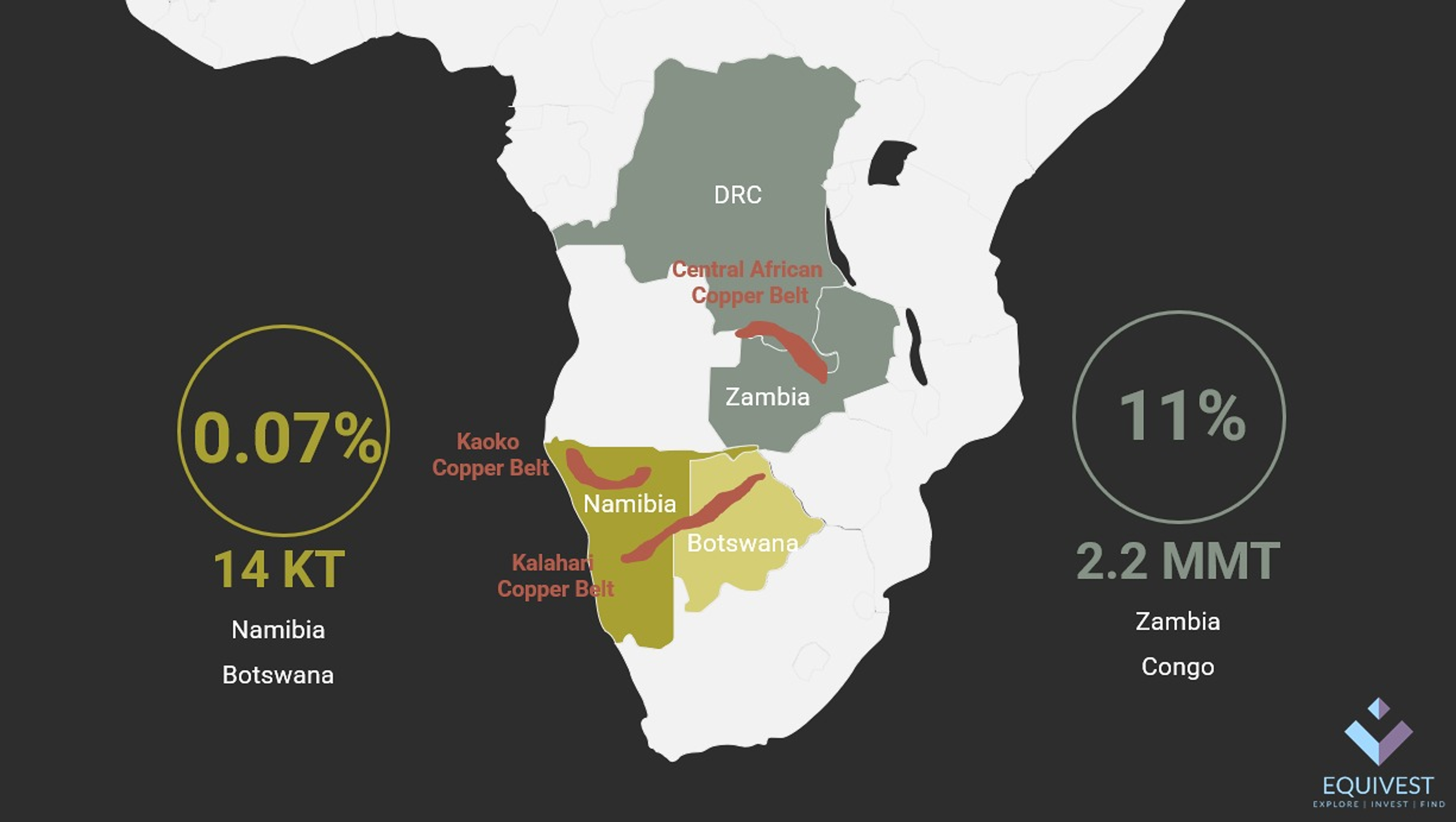 Fig. 1 Location of copper belts in Sub-saharan Africa. Annual production from both regions is highlighted.
The early exploration in the region took place from 1960 to 2000 and was led by majors, such as Anglo American, Rio Tinto, US Steel. During that time, boreholes were drilled using an incorrect geological model. This, combined with less advanced remote sensing technologies resulted in a limited success in the belt. The exploration game changed at the start of the last decade, when number of junior miners discovered Tier 2 deposits in the region. Unfortunately, the mining crash delayed the exploration progress in the area. The hunt for Tier 1 deposit starts again on a renewed commodity cycle. Furthermore, Rio Tinto silently amassed close to 10,000 km2 position in the belt in eastern Namibia.
Copper production potential from Kalahari Copper Belt
Central African Copper Belt is situated between Zambia and DRC and produces 2.2 MT of copper per year, which equates to 11% of world’s copper supply. This region is also the world’s largest producer of cobalt.
Namibia and Botswana, which are Africa’s top mining jurisdictions, offer a new copper mining camp that is just emerging after being hidden under the cover of Kalahari desert.
USGS announced in 2020 that the Kalahari Copper Belt is regarded as one of the world’s most prospective areas for yet-to-be-discovered sediment-hosted copper deposits.
Namibia and Botswana currently produce a fraction of Zambia and DRC’s annual copper supply. In 2019, combined copper production was 14 KT, equivalent to 0.07% of world’s copper production. Kalahari Copper Belt is currently not contributing to production.
Nevertheless, changes are already on the horizon, as two new mines are about to open. Cupric Canyon plans to produce 60 KT of copper per year from their Khoemaceu mine. Sandfire Resources is working on an open pit mine at its Matheo deposit, which will produce 30 KT copper per year from 2023. Both projects have significant satellite discoveries and plan to expand them in the next years.
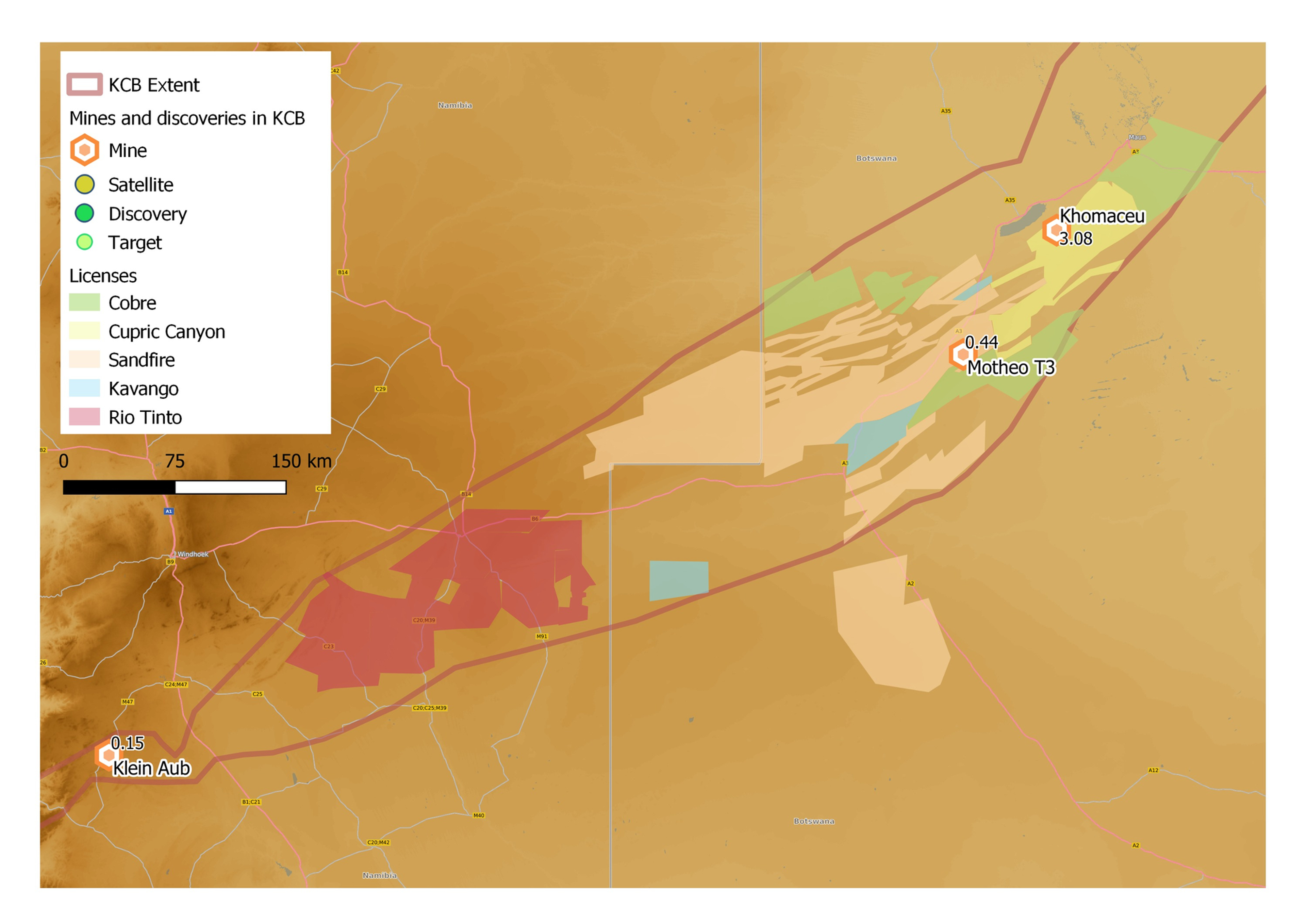 Fig. 2 Key acreage holders in the Kalahari Copper Belt are highlighted.
Similarities between African copper belts
Central African Copper Belt (CACB) is a 450 km long geological feature, which extends between the southern DRC and northern Zambia. Rocks of the CACB are generally well exposed and can be mapped in a series of outcrops. The belt has spectacular grades of copper deposits, averaging 1-4%, compared to the world’s average grade of 0.4%. Furthermore, the copper (Cu) is associated with high grades of cobalt (Co) and silver (Ag). The Cu-Co-Ag mineralisation is hosted by metasediments of Katanga Supergroup (900-735 Ma) and occurs as veins and disseminated sulphides within redbeds.
Kalahari Copper Belt (KCB) is twice the length of CACB and extends for approximately 1000 km between Botswana and Namibia. Almost 2/3rds of the belt are located within Botswana territory. There are extremely limited rock exposures within the KCB, as almost entire belt is buried under 10-100 m cover of Kalahari desert sediments. Mineralisation style in the Kalahari Copper Belt is very similar to Central African Copper Belt. Ore is hosted in metasediments of Ghanzi and Nosib Groups (950-750 Ma). Similarly to CACB redbeds are common hosts for mineralisation, which is also structurally controlled.
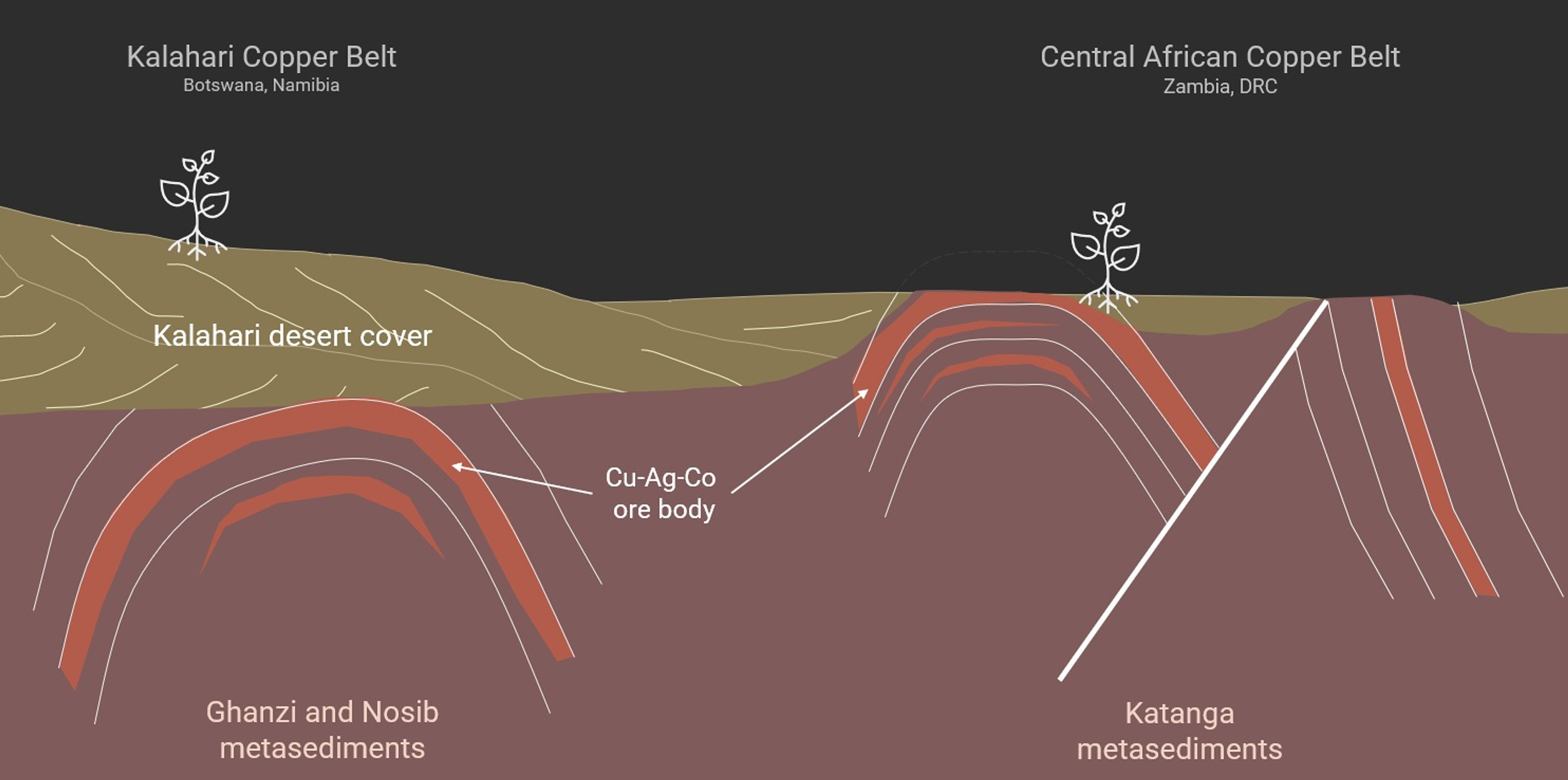 Fig. 3 Simplified geological setting of Kalahari Copper Belt and Central African Copper Belt. Note the differences in the cover of Kalahari desert sediments.
Why is the Kalahari Copper Belt underexplored?
1. Kalahari sediment cover - Almost entire KCB is covered by 10-100 m of Kalahari desert sediments. The cover obscures underlying copper bearing bedrock. Geophysical techniques were much less advanced in the past and not very favorable for undercover exploration.
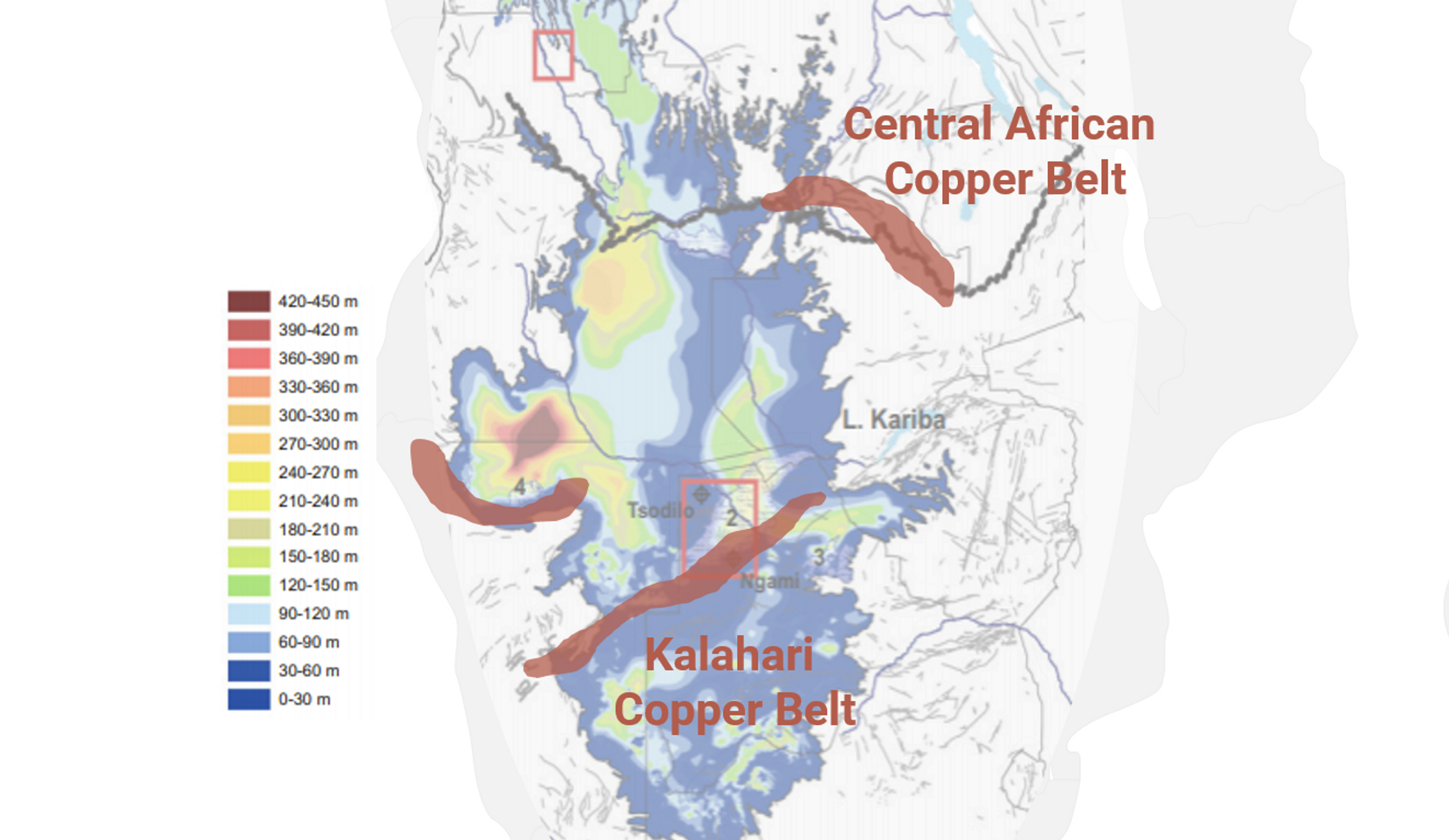 Fig. 4 Thickness of cover of Kalahari desert sediments. Note the difference between Central African Belt and Kalahari Copper Belt.
2. Incorrect geological model - For a long time, an incorrect geological model was applied to exploration targets in the KCB. Sediment hosted mineralisation model was applied, without including structural controls on mineralisation. This led to poor selection of drilling targets.
3. Remoteness of the area - Back in the 60s-90s the area was considered very remote, with unpaved and limited road access. Things have improved significantly since then.
History of exploration and resource growth
Early exploration in the region took place from 1960 to 2000 and was led by majors. During this phase, 3.2 MT of copper was discovered, mostly scattered throughout minor deposits.
Three junior explorers were responsible for unlocking the discoveries that make today’s Khomaceu and Matheo mines reserves. Reserves in the belt doubled to 6.5 MT of copper by 2010 and then tripled to 15.3 MT by 2020.
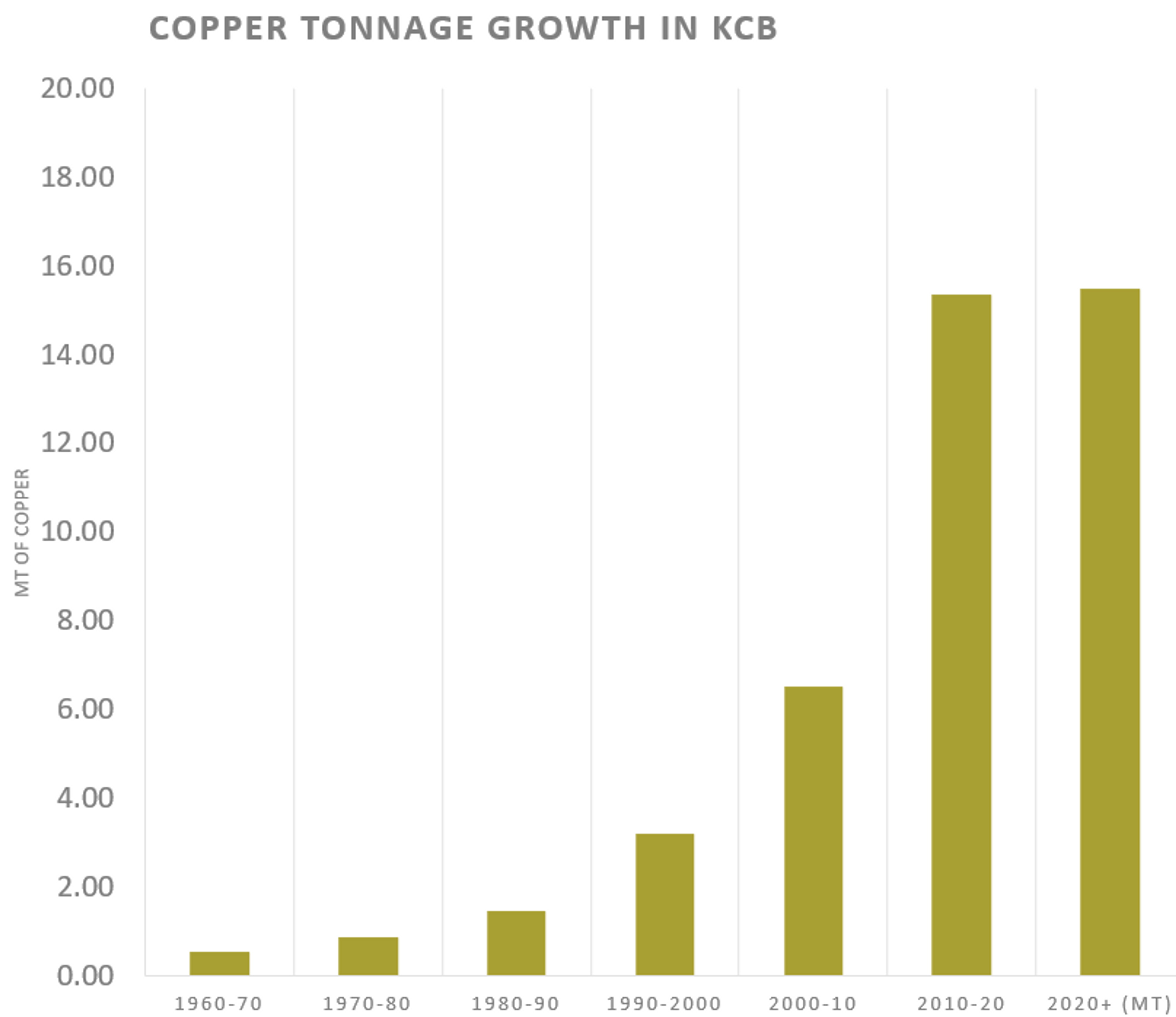 Fig. 5 Copper reserves in KCB in MT (million tonnes) of copper.
Activity level in the Kalahari Copper Belt is increasing, with number of high impact exploration campaigns planned in the next 15 months. Junior explorers are leading the game. Nevertheless, majors are also taking first moves. Rio Tinto acquired significant acreage position in the western part of the Kalahari Copper Belt in Namibia.
Who are the players in the KCB
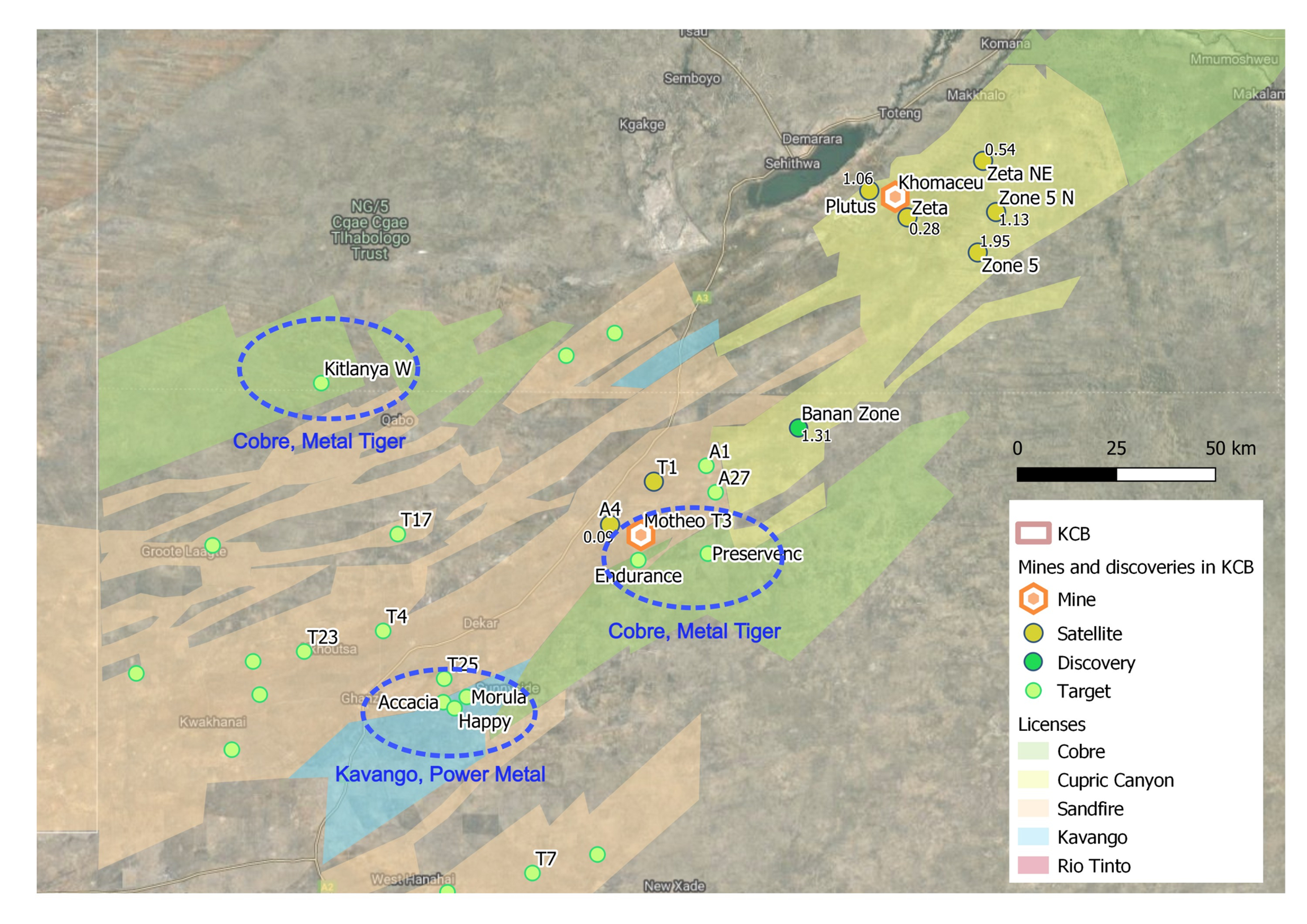 Fig. 6 Ghanzi area of the Kalahari Copper Belt. Upcoming drilling campaigns are marked with dashed blue circles.
Sandfire (SFR: ASX) - Australian mid-cap exploration and production company. Sandfire is the largest acreage holder in the KCB. The 2022 exploration budget in KCB is at an impressive 23 MUSD.
Cobre (CBE: ASX) - Junior explorer listed on ASX. Cobre holds 8100 km2 of prospective acreage via 50% holding in Kalahari Metals Ltd. Cobre Exploration team has long standing experience with the Kalahari Copper Belt and also Central African Copper Belt. Members of the team were behind major copper Kamoa discovery in DRC, now operated by Ivanhoe Mines.
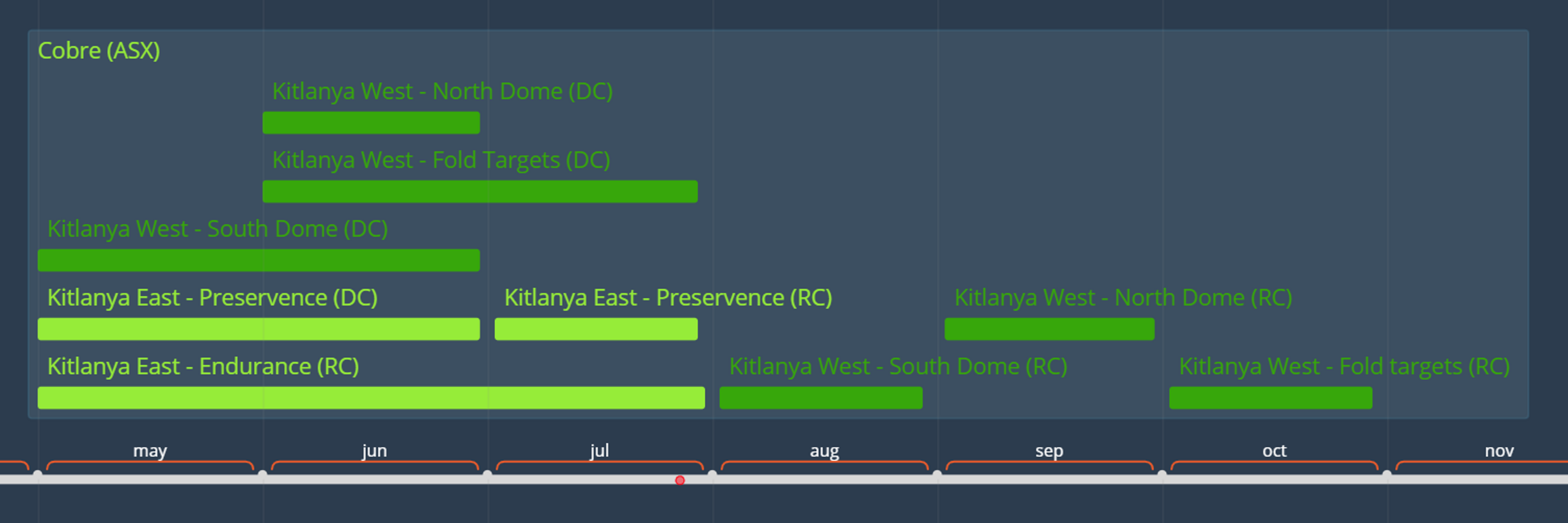 Fig. 7 Drilling targets at Kitlanya East and nearby discoveries.
Metal Tiger (MTR: LSE) - Offers 50% exposure to drilling program by Cobre Limited.
Kavango (KAV: LSE) - Junior explorer with significant KCB position. Morula and Acacia targets are the two priority drill targets.
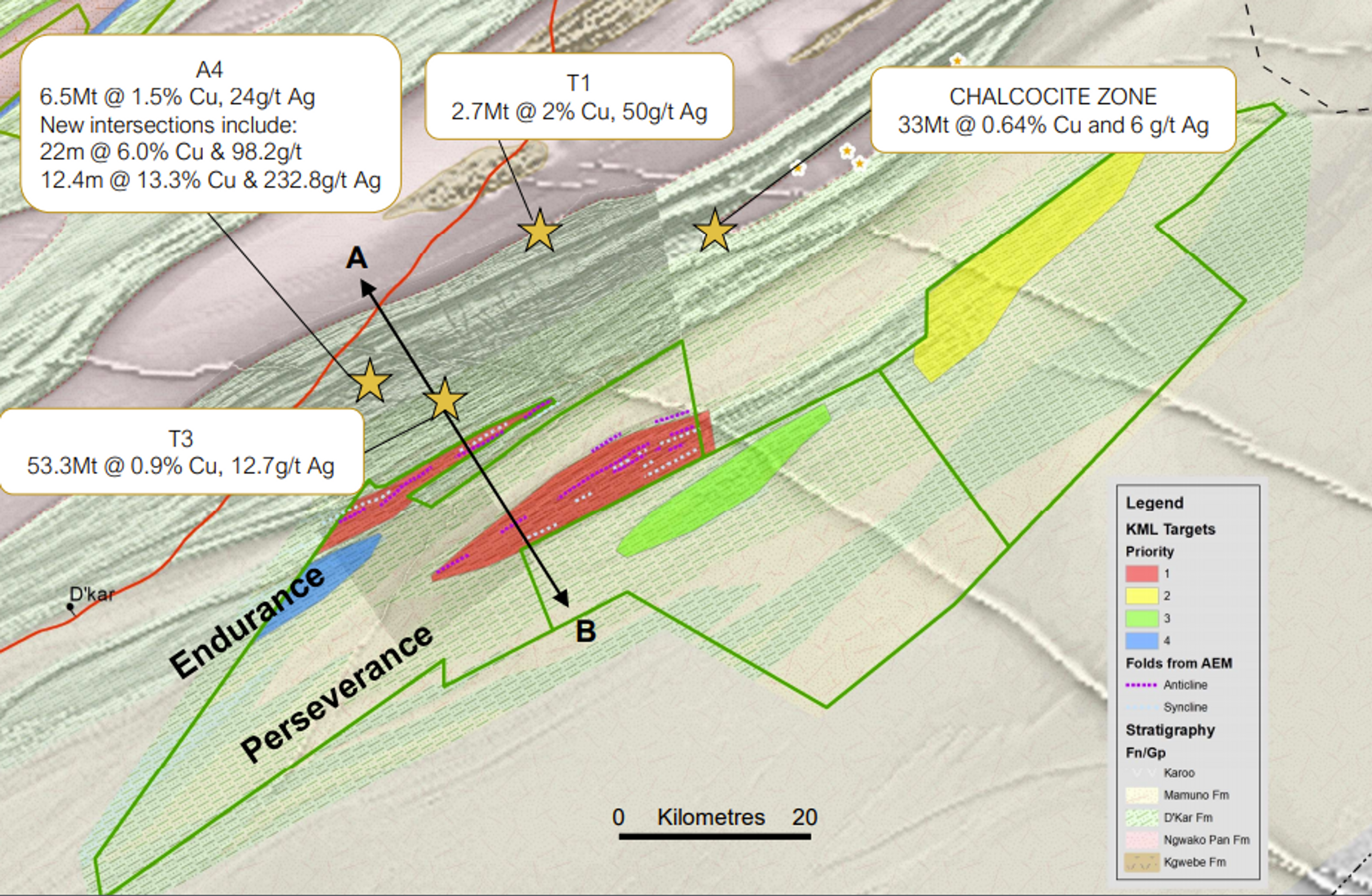 Fig. 8 Kavango and Power Metal Morula and Acacia targets in KCB. Source: Kavango company presentation.
Power Metal (POW: LSE) - Offers 50% exposure to drilling program led by Kavango Resources.
Other explorers less active this year include: Kopore Metals, Galileo Resources, Noronex, Arc Minerals.
DISCLAIMER: This communication is for educational and entertainment purposes only. Nothing on this website should be construed as, and may not be used in connection with, an offer to sell, or a solicitation of an offer to buy or hold, an interest in any security or investment product.