Posts tagged "Geology"

← All posts
Geology

What mineral exploration can learn from oil & gas. PART 1

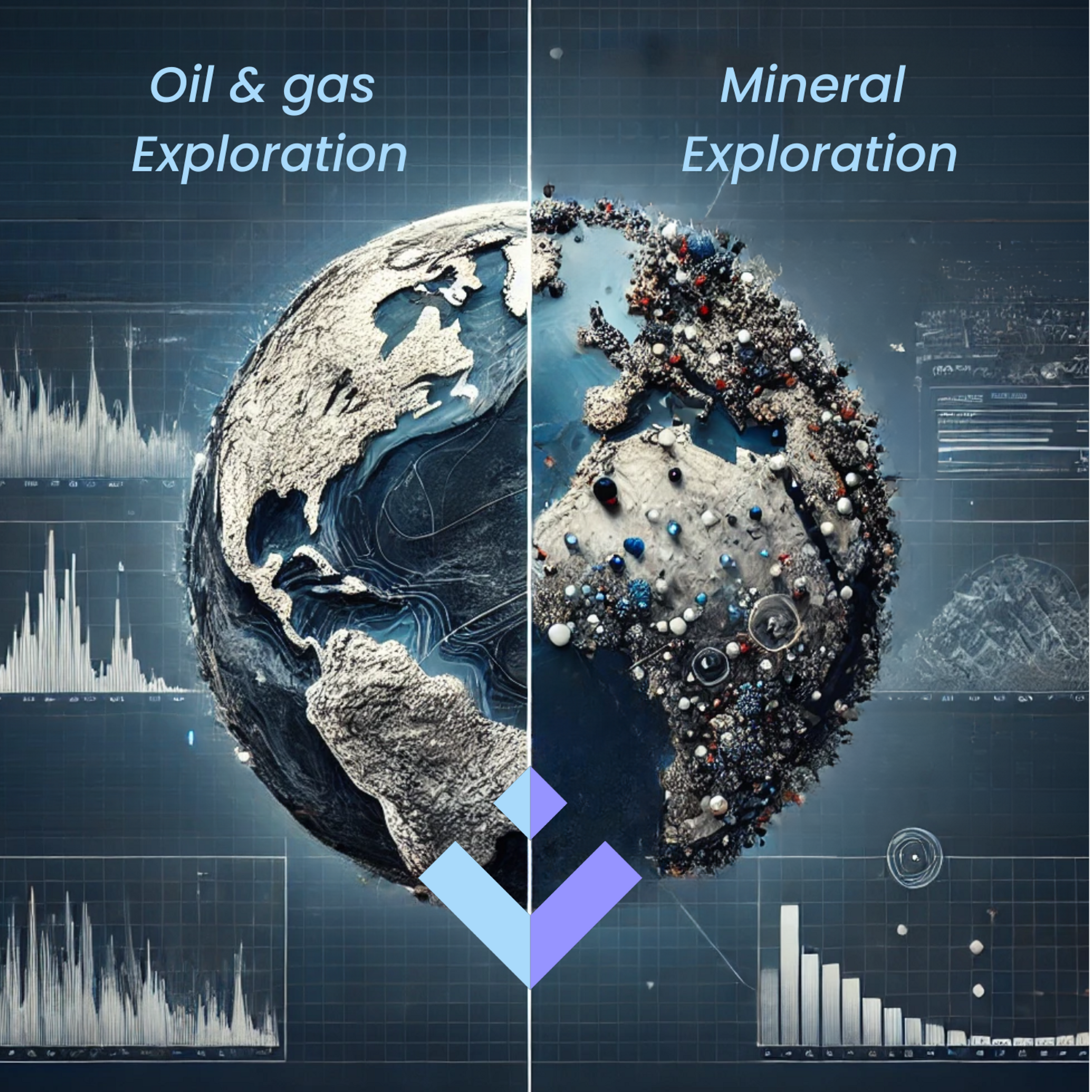
Mineral and oil & gas exploration share the same goal: finding resources beneath the Earth’s surface. However, the way they approach discovery is very different. Oil & gas exploration follows a structured, data-driven process focused on identifying the most prospective zones within a petroleum system that have the highest potential for discovery.

In contrast, majority of mineral exploration begins with mineral occurrences and tries to make them bigger, which can lead to staking acreage in locations that may not be optimal for making new economic discoveries.
Geology

How can we use AI to map bedrock?

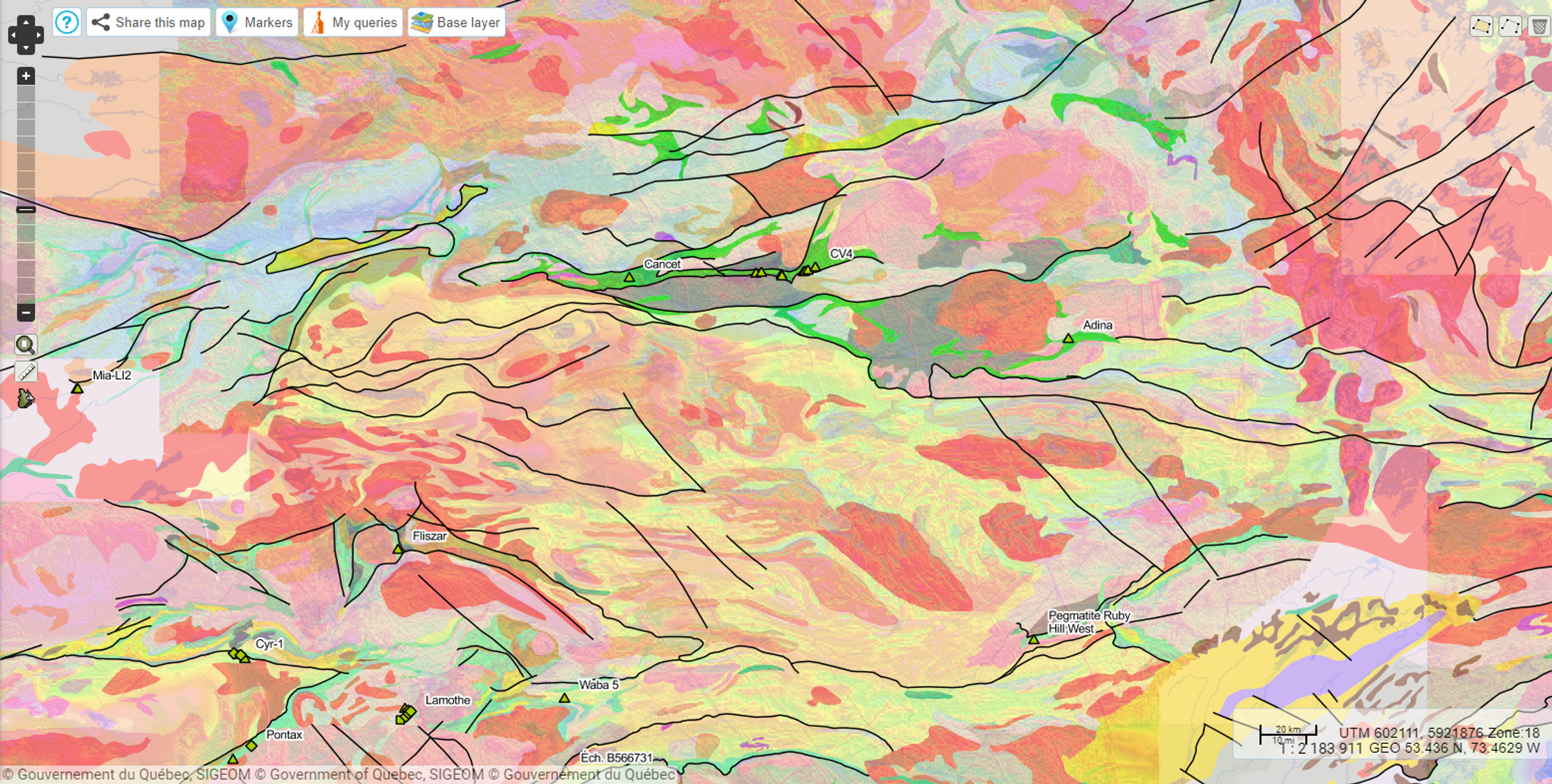
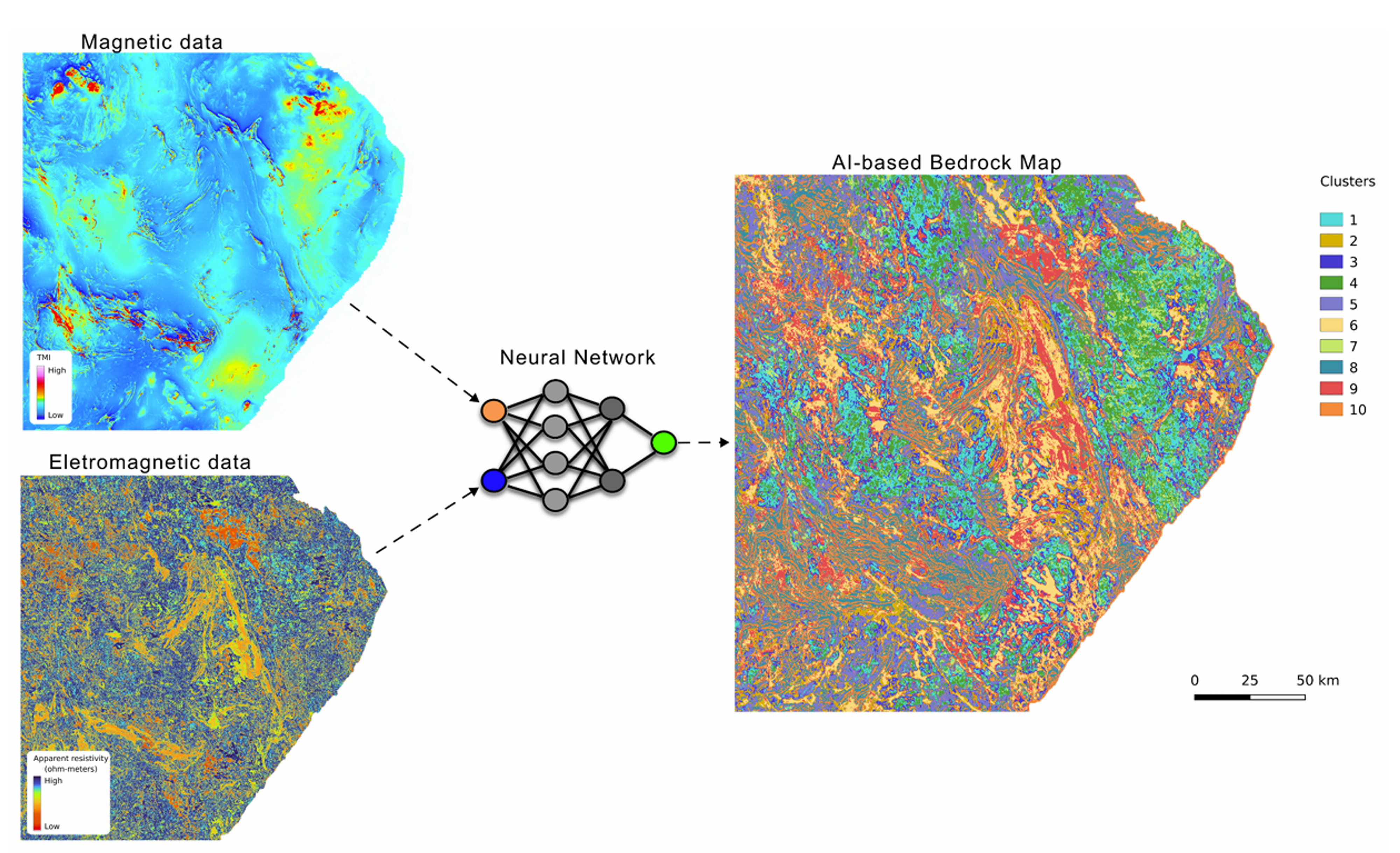
Bedrock maps serve as a crucial source of information in mineral exploration, offering valuable insights into the distribution of the elements of a mineral system. They play a vital role in guiding exploration efforts and generating vectors for locating potential mineral deposits.

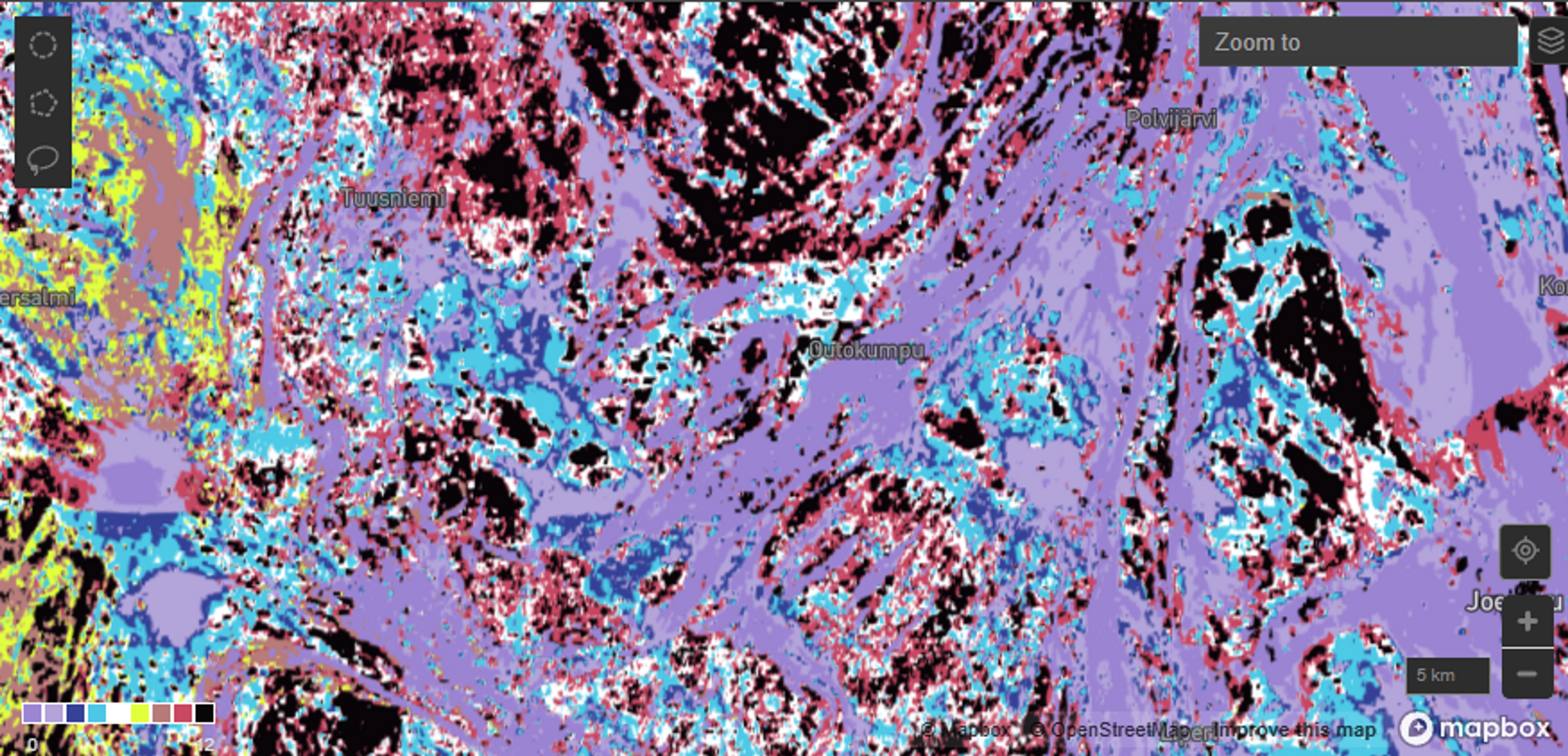
In this blog article, we will discuss how AI methods can enhance bedrock mapping, paving the way for more accurate maps and efficient mineral exploration.

Limitations of traditional approaches

Traditionally, bedrock mapping in remote or under the cover areas relied on visual interpretation of geophysical layers, such as magnetic and radiometric data, alongside the extrapolation of known field data collected by geologists to estimate lithologies in unsampled areas. While this approach has proven effective in many scenarios, it often suffers from a high degree of subjectivity and becomes increasingly challenging in greenfield areas, where limited field data is available.

Geology

Innovative Feature Engineering - a critical step to connecting Mineral Systems with AI Prospectivity Models

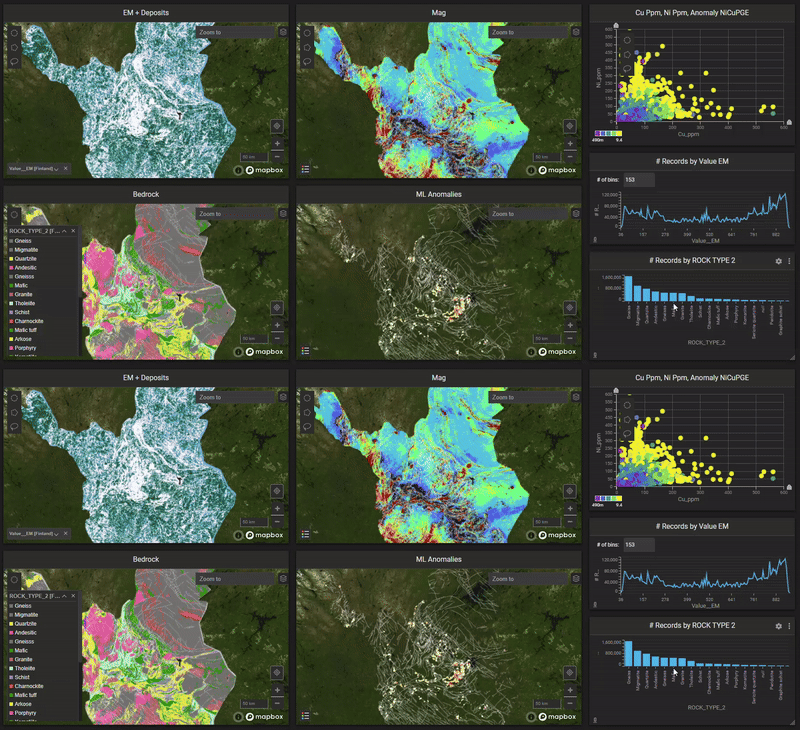
Progress in mineral prospectivity modelling commonly focuses on advancing machine-learning algorithms with limited consideration for improving the representativeness of geological input features to the model. Common inputs are usually oversimplified or biased and often rely purely on direct detection methodology rather than focussing on critical geological processes behind ore formation. To further improve mineral prospectivity modelling, a new approach is needed to draw more value from existing conventional data by applying expert knowledge in creative ways through innovative feature engineering.

Geology

How to leverage AI in Mineral Exploration workflows

AI has revolutionized countless industries, yet it has not yet discovered a Tier 1 mineral deposit. What are we doing wrong, and what is the opportunity to get it right? In this article we dive into where machine learning works, where it doesn’t, and why geologists are critical to the process.

Learning from those that got it right: Digital Advertising

In digital advertising, companies like Facebook and Google have achieved remarkable success. They utilize billions of ad-clicks and purchase outcomes to train their models. Each time we click a Facebook ad and make a purchase, their ad targeting becomes smarter. This is because they gain another positive outcome to refine their algorithms.

Geology

Embracing Range in Mineral Exploration

In mineral exploration, the success rate is astonishingly low—only 1 in 1000 prospects become a productive mine. At Equivest, our mission is to transform these odds dramatically. This guiding principle shapes everything we do.

What sets us apart from thousands of other companies? Why do we believe we have a competitive edge?

Mineral exploration is an extraordinarily complex and abstract challenge. To navigate this environment effectively, we must understand what makes it unique.

Geology

Shifting Away from Known Mineral Occurrences

Exploration in the present

Many battery metals explorers tend to focus on known mineral occurrences, historical mines, and deposits. This can be attributed to several reasons:

  1. Exploring in areas with existing mineralization is easier. It requires less conceptual and creative thinking as the geology is well understood and there is more data available.

  2. From a marketing perspective, it is easier to convey a compelling “story” to investors when projects are located in well known areas. These projects often appear de-risked, with news ready updates and historical assay results. However, they typically offer limited upside potential in terms of deposit size.

Geology

Hunt for the next uranium discovery - SE Athabasca basin

Summary

  • Athabasca is a world class location for uranium deposits with deposits grades from 2 to 20% vs global average of 0.2%
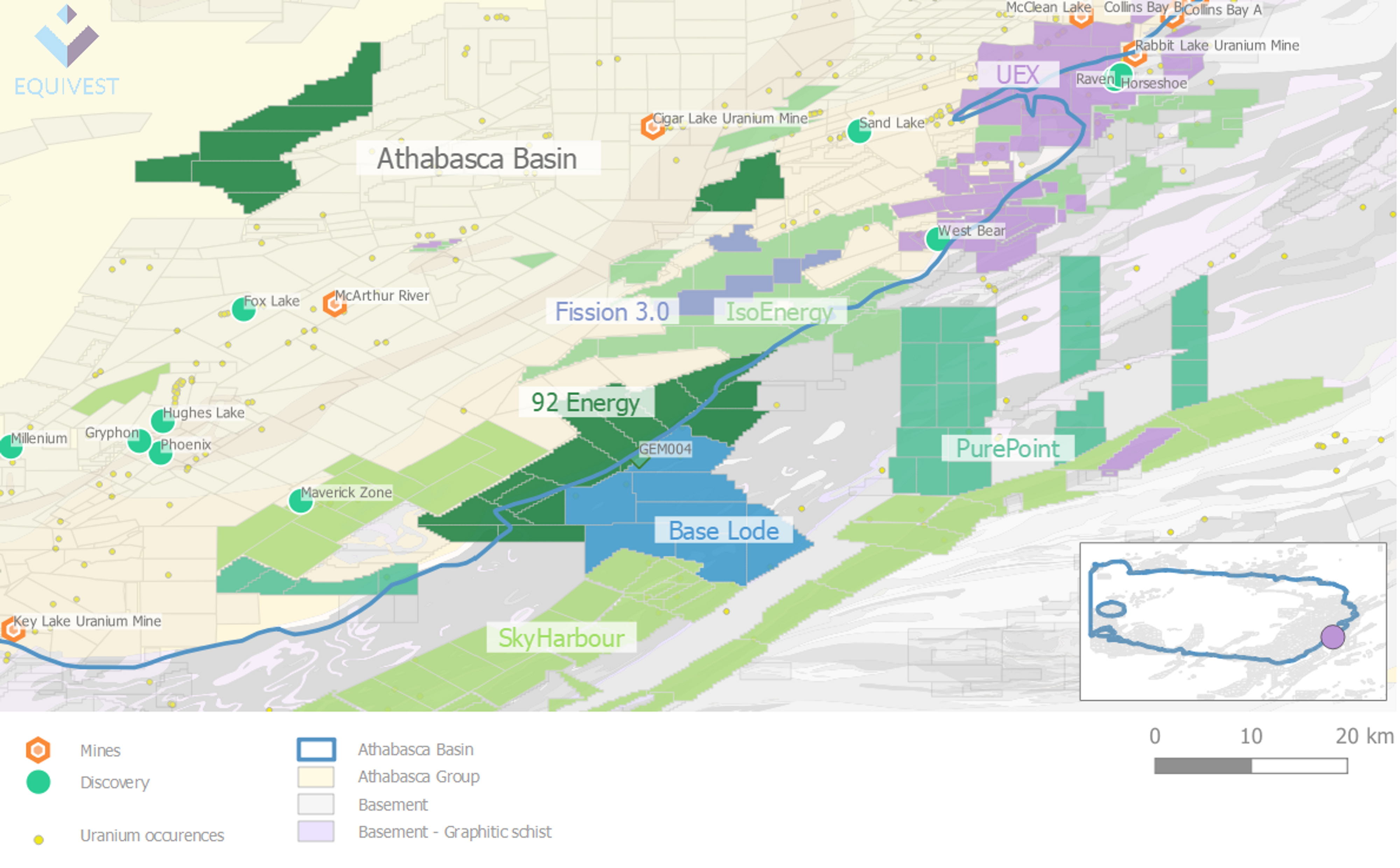
  • South-east Athabasca basin is underexplored and has potential to host significant shallow uranium deposits
  • 92 Energy, SkyHarbour and Base Lode are actively exploring this area in 2021
  • Results from 92 Energy and SkyHarbour exploration drilling are expected shortly

Athabasca basin is a world class location for Uranium deposits

Athabasca basin is located in the NW Saskatchewan and is recognised as the world class location for uranium deposits, hosting some of the largest and highest grades deposits such as Cigar Lake and McArthur River. Uranium deposits grades in the basin can reach up to 20%, with average grade in the basin of 2%. This is significantly larger than other uranium producing regions, with world average uranium grade of 0.2%.

Geology

Next major copper province - Kalahari Copper Belt

Summary

  • Kalahari Copper Belt is regarded as a future hot spot for major copper discoveries
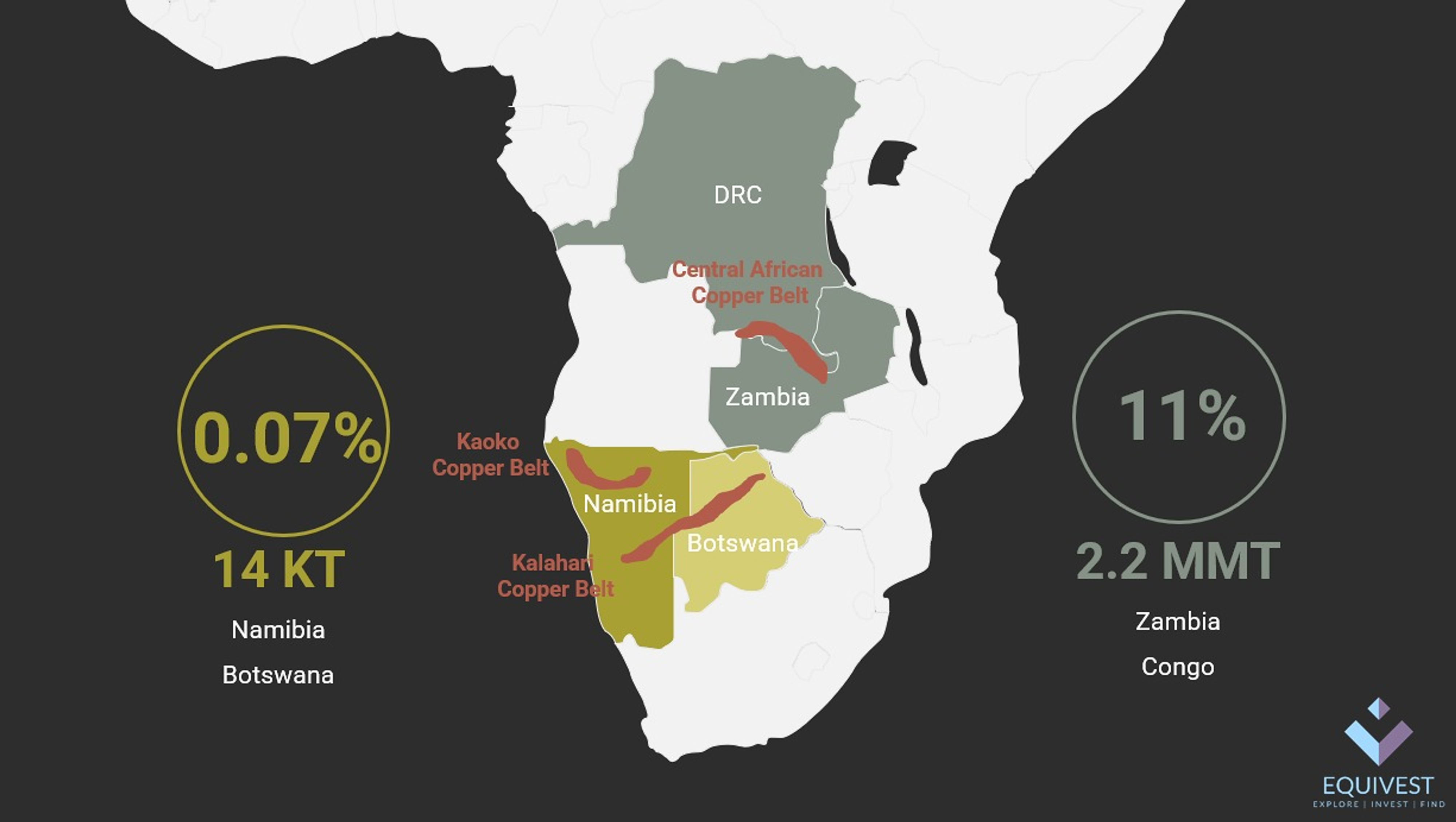
  • The belt is underexplored and could rival the copper-cobalt belt of Zambia and DRC, which produces 11% of world’s copper and majority of world’s cobalt
  • Junior explorers are leading 2021/22 drilling program and are on the hunt for Tier 1-2 discoveries
  • Majors are slowly catching up - Rio Tinto amassed large exploration acreage in the region

How do you find the next significant copper discovery?

Despite the declining trend in the discovery rates in recent years, there are some factors that significant finds have in common: